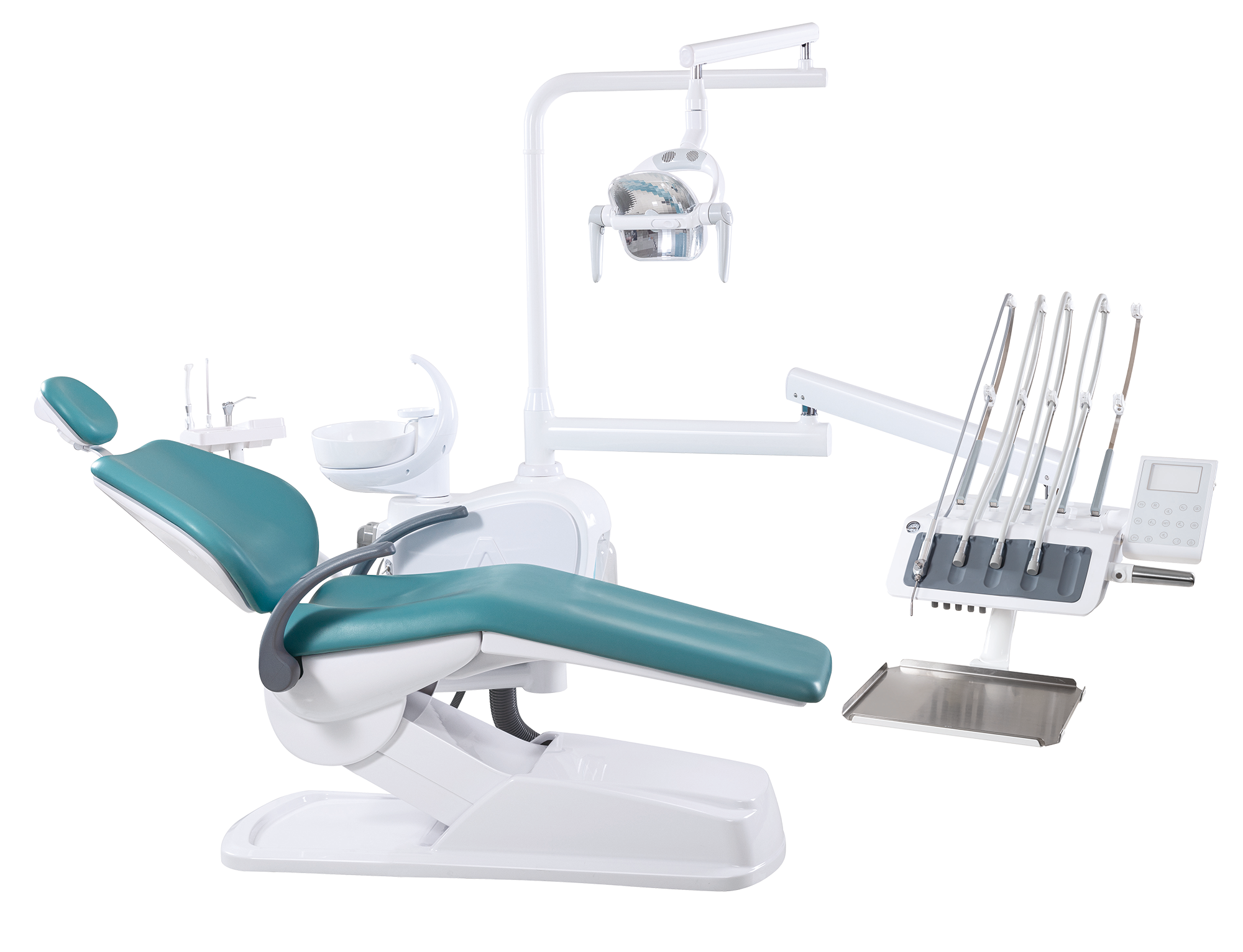
AZ-201 Standard LED Light
Reliable top-mounted delivery system with integrated LED operating light — a balanced choice for general dentistry and daily restorative procedures.
View Details →
From solo practitioners to multi-chair group practices, choosing the right treatment chair affects dentist posture, patient comfort, daily uptime, and long-term operating costs. Explore configurations designed around real clinical needs — not just equipment specifications.
Compare models by ergonomic design, delivery system, upholstery, positioning options, and service support.
Browse All Dental Chairs How to Choose the Right ChairA dental chair is one of the largest capital investments a practice will make, and its design affects daily workflow, provider health, and patient retention for years to come. Here are the factors that matter most to practicing dentists.
Poor chair design forces dentists into awkward positions that contribute to chronic back, neck, and shoulder strain. Look for dual-console access, flexible backrest range, and adjustable headrests that support neutral spine posture.
Smooth, quiet motion and comfortable positioning reduce patient anxiety and improve satisfaction scores. Seamless upholstery and stable movements signal professionalism from the moment patients sit down.
Unplanned downtime disrupts schedules and revenue. Modular components and local service support mean fewer emergency callouts and faster part replacement when maintenance is needed.
Simplified surface geometry and easy-wipe materials support faster turnover cleaning between patients and stricter OSHA/CDC-aligned disinfection protocols.
Group practices and multi-provider clinics need programmable memory positions so associates, hygienists, and specialists can share equipment without resetting height and angles between patients.
Purchase price is only part of the equation. Factor in maintenance frequency, spare parts availability, energy efficiency, and expected service life to understand true lifetime cost.
From economic solutions for new practices to luxury configurations for specialist workflows, each chair system is designed to support reliable daily clinical performance.
Reliable top-mounted delivery system with integrated LED operating light — a balanced choice for general dentistry and daily restorative procedures.
View Details →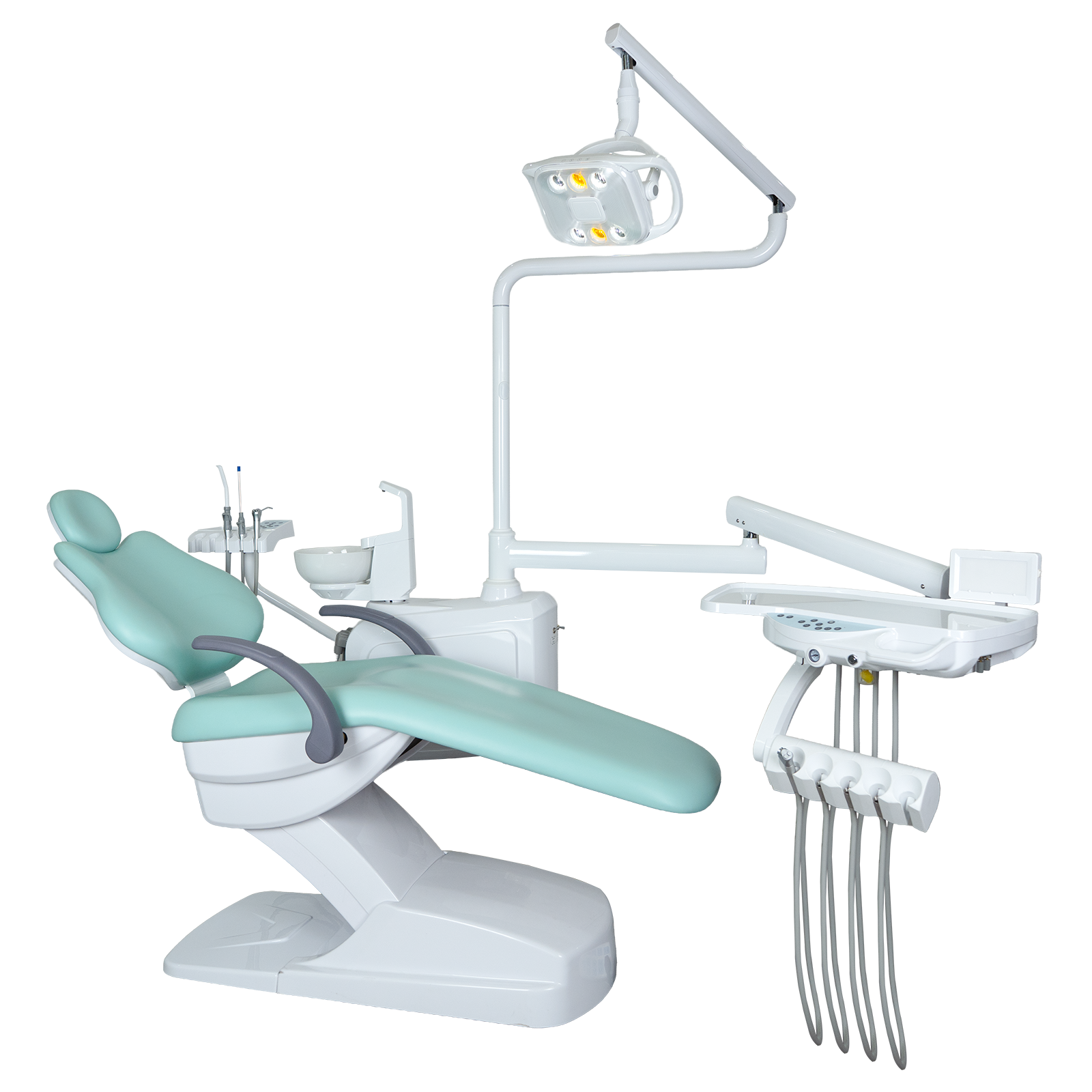
Cost-effective solution for new practices and satellite clinics — simplified configuration without compromising patient comfort or essential clinical functions.
View Details →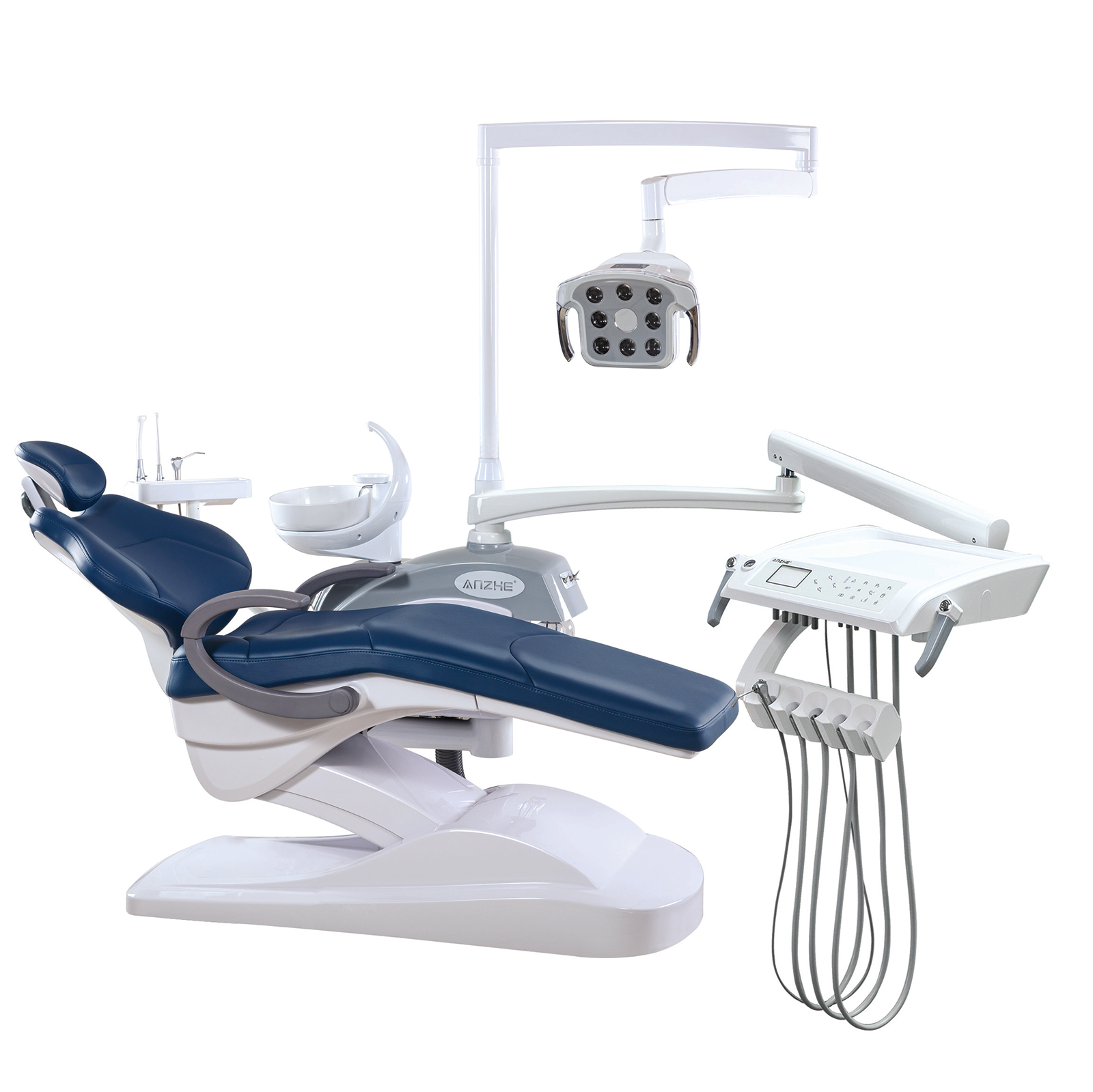
Premium hanging delivery system with microfiber leather upholstery — designed for specialist practices and high-end patient experiences.
View Details →
Advanced butterfly-style LED operating light with integrated teeth whitening capability — ideal for cosmetic and restorative-focused practices.
View Details →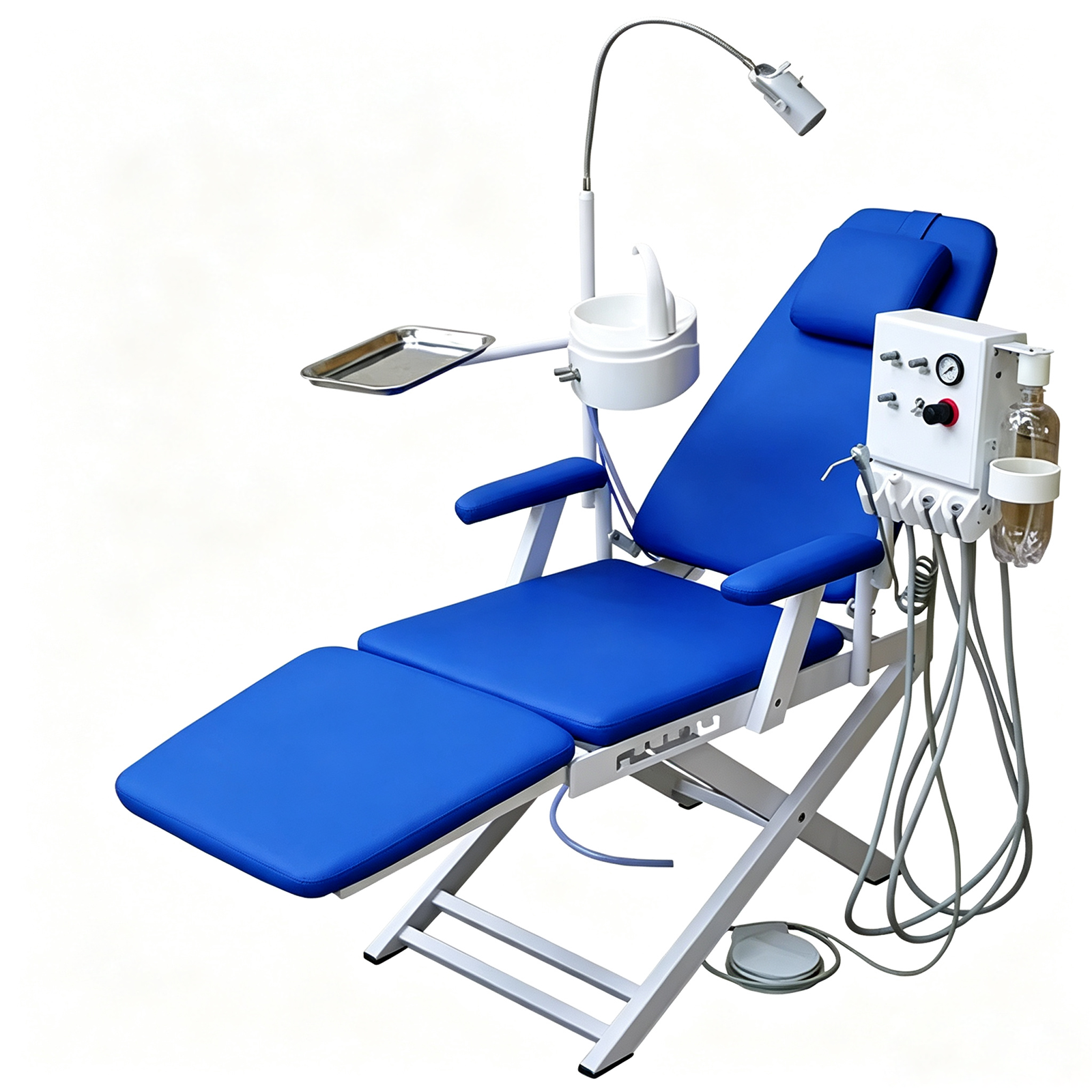
Lightweight, mobile treatment chair for community health programs, mobile clinics, dental missions, and temporary treatment environments.
View Details →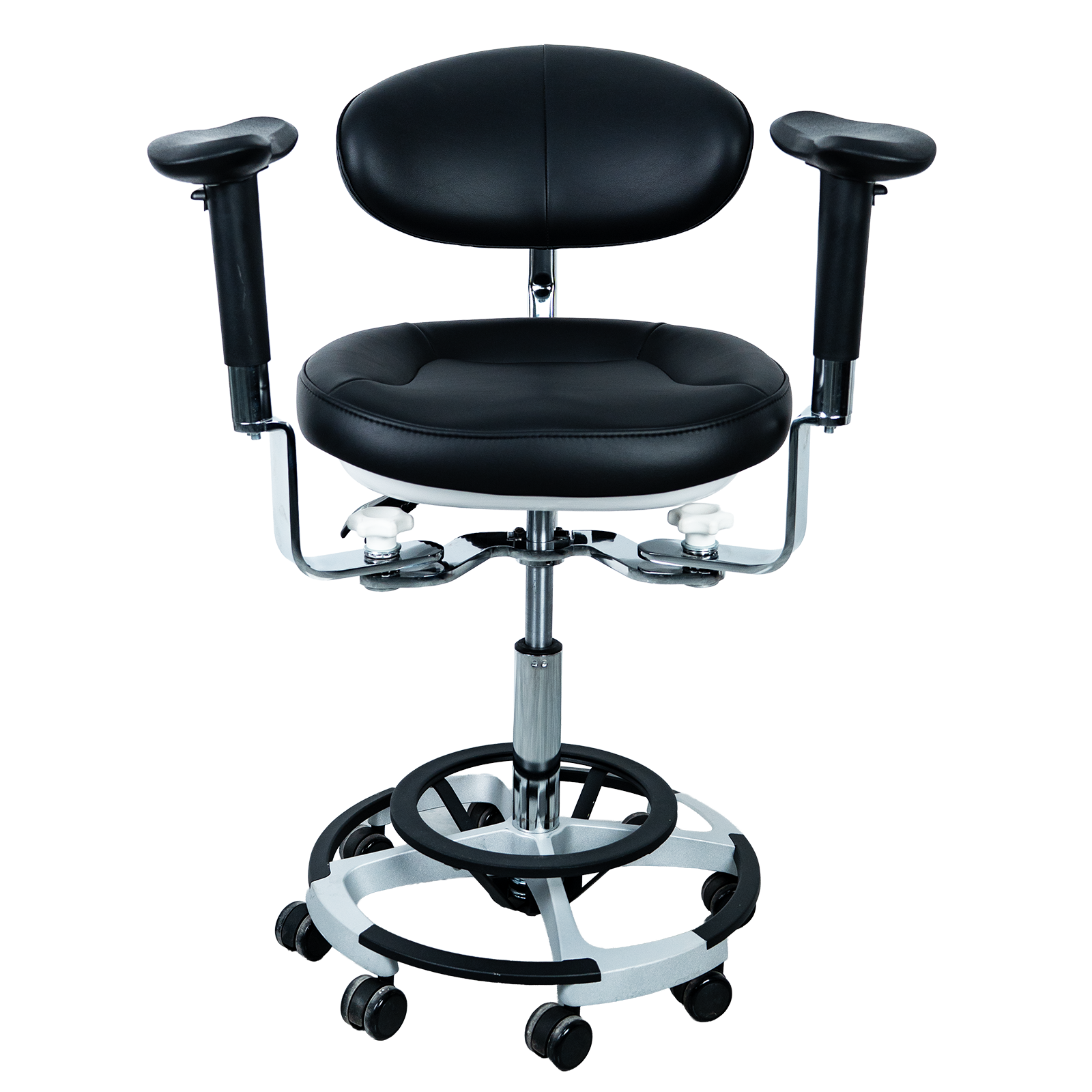
Ergonomic operator and assistant stools designed to complement treatment chair workflow and support better posture during procedures.
View Details →Structural and component warranties backed by responsive regional service teams — protecting your investment and minimizing unexpected repair costs.
Coordinated installation, training, and post-delivery support to ensure your team is comfortable with the new equipment from day one.
Adapt delivery systems, upholstery, voltage, and accessories to match your clinical workflow and patient demographic.
Manufactured under medical device quality management standards to ensure consistent build quality and regulatory compliance.
A well-maintained dental chair typically lasts 10 to 15 years in daily clinical use. Factors affecting longevity include maintenance frequency, daily patient volume, cleaning protocols, and the availability of replacement parts. Investing in a chair with accessible service points and available spare parts helps extend operational life.
Top-mounted systems place instruments directly on the patient's chest area, which can be more accessible for certain procedures but may feel intrusive to some patients. Hanging (or over-the-patient) delivery systems keep instruments overhead and out of the patient's direct field of vision, which can reduce anxiety. The choice often depends on dentist preference, treatment room layout, and the types of procedures performed.
Even in solo practices, memory positions save time by instantly recalling preferred chair settings for different procedure types — such as hygiene exams, restorative work, or endodontics. If you work with associates, hygienists, or locum dentists, programmable presets become essential for maintaining consistent workflows.
Dental chair upholstery should be durable, easy to disinfect, tear-resistant, and comfortable for long appointments. Seamless or minimal-seam designs reduce areas where fluids and bacteria can accumulate. Medical-grade microfiber leather and antimicrobial-treated fabrics are common choices that balance durability with infection control requirements.
Some components such as upholstery, dental lights, and control systems can be retrofitted or upgraded, but major mechanical or structural changes are often not cost-effective. If your chair is more than 10 years old, requires frequent repairs, or lacks modern ergonomic features, replacement is usually the better long-term investment.
Yes. All dental chair purchases include coordinated installation, setup, and on-site training for your clinical team. Installation timelines and service availability vary by region — contact us to confirm details for your location.
Tell us about your practice size, case mix, and treatment room constraints, and we'll recommend the dental chair configuration that fits your clinical and operational needs.
Request a Configuration Consultation